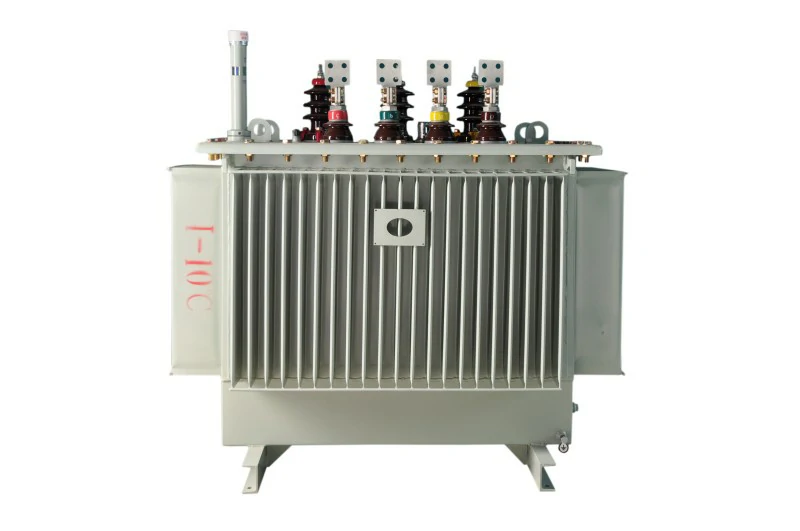
The SCBH15 series amorphous alloy transformer utilizes the low hysteresis loss and minimal eddy current loss of amorphous alloy strips, reducing no-load losses to about one-third of those of silicon steel products of the same capacity (the series specification indicates a reduction of more than 70%). It is suitable for distribution network nodes with long-term power operation and load rate fluctuations, as well as new energy step-up stations. It is the main series used to replace S13 in energy-saving renovations and photovoltaic supporting projects.
The key to evaluating renovation projects is "comparability, calculability, and verifiability": the company can provide comparisons of no-load/load losses between S13 and SCBH15 of the same capacity, annual electricity consumption estimates, and payback period projections. Additionally, it will include third-party inspection reports and on-site measurement data. The evaluation materials are directly submitted to the owner's internal approval documents.
The parameter range for the series is as shown in the parameter table below.
Structurally, the dry type version uses an unencapsulated coil process, offering good ventilation and heat dissipation, and requires no maintenance for fire prevention; the oil-immersed type version features a fully sealed structure and a low-noise clamping process using amorphous alloy cores, meeting both outdoor maintenance requirements and low-noise standards in urban areas.
As a national energy-saving product promotion enterprise, we can provide actual loss and noise measurement reports, as well as a full set of technical documents, in accordance with the energy efficiency regulations of the exporting country. The 60 Hz power grid also supports a redesigned configuration.
Please consult about a 5-year energy consumption comparison and renovation schedule for amorphous and silicon steel: sales@fgtransformer.com.
Quality control covers the entire manufacturing process: rolled silicon steel is precisely cut on a slitting line, core assembly is inspected section by section according to process specifications, the automatic winding machine completes winding, then it enters body assembly and vacuum impregnation (VPI) stations. Before leaving the factory, routine tests are completed, and type tests and third-party witness tests can be arranged as needed—from material selection to traceable records of each process, all are documented and sent with the product.
The implementation details of renovation projects are equally important: the amorphous alloy core is sensitive to transportation impacts and tightening forces, so there are specialized instructions for installation and positioning. For replacing old stations, the order can be "install the new one first, then remove the old one," minimizing power outages to hours and reducing user-side losses.
Export delivery is a regular part of this product line: multilingual nameplates, CE and ISO system documents, and inspection report catalogs are prepared at three levels: bidding, review, and factory inspection. Packaging and transportation are designed in two options: whole box or separate parts. Island logistics and lifting conditions are included in the boundary during the design phase. The quality control foundation as a national high-tech enterprise, a national energy-saving product promotion enterprise, and a qualified supplier of State Grid/China Southern Power Grid also serves the review pace of overseas projects.
Packaging and transportation follow export practices: the main body is protected with shock-absorbing bundling, accessories are packed in wooden boxes, and packing lists and lifting instructions are provided with the product. Whole containers can be shipped in batches according to project schedules, and the sea shipping cycle is provided together with the quotation, avoiding waiting for goods on site.
Why choose this configuration? Lessons from similar projects mainly focus on three aspects: no recalculation of frequency and power grid parameters, estimation of anti-corrosion level based on experience, and final documentation only after reaching the port. The technical approach of this product is to address these three issues in written conclusions, allowing item-by-item verification during the quotation stage.