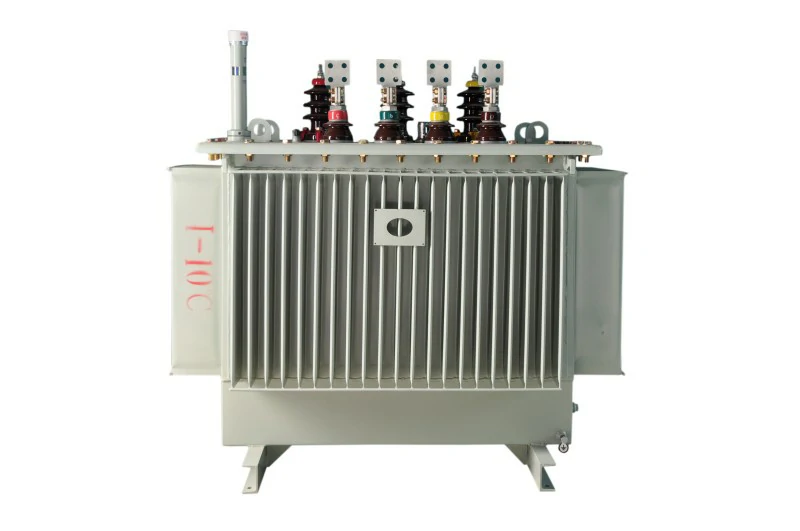
The SCBH17-2000/10-NX2 uses an amorphous alloy core combined with epoxy casting coils, with a rated capacity of 2000 kVA, a voltage level of 10kV, and a low-noise NX2 design. Its no-load losses are reduced by more than 70% compared to silicon steel S13 series of the same capacity, making it especially suitable for photovoltaic power stations, data centers, and commercial building distribution scenarios with low load rates and long-term power, offering significant energy-saving benefits throughout its entire lifecycle.
The hysteresis and eddy current loss characteristics of amorphous alloy strips determine their absolute advantage under no-load conditions where power is consumed: for nodes with high operating hours and low average load rates throughout the year, no-load losses dominate annual electricity consumption, and SCBH17's energy-saving account typically covers incremental investments within 2–3 years.
Key parameters and acceptance criteria are as follows.
At the process level, the core grounding and low-noise clamping structure have been specially optimized to match the company's utility model patent "A Dry-type Transformer with Uniform Cooling Structure" for heat dissipation; Each unit undergoes routine testing before leaving the factory, with actual loss and noise data provided with the report.
Capacity covers 160–2,500 kVA, supporting 50/60Hz and multi-voltage combinations; Energy efficiency Level 1 certification documents and loss calculation reports can be provided according to project requirements; the SCBH15 series is optional.
Request the five-year energy-saving calculation table and inspection report directory: sales@fgtransformer.com.
Quality control spans the entire manufacturing chain: coiled silicon steel is inspected step by step by section according to process cards for precise slitting and core stacking. After the automatic winding machine completes winding, it enters the assembly and vacuum coating (VPI) station, where routine tests are completed before leaving the factory and type tests and third-party witness can be arranged as needed—from material selection to traceable records of each process, everything is documented with the goods.
Calculate the energy-saving account completely: In addition to the reduction in no-load losses, this report provides noise measurements and loss tolerance zones, making it easier for owners to directly include 'energy-saving benefits' in investment decision documents; For overseas projects, a comparison table can be organized according to the target country's energy efficiency regulations to avoid conflicts between the two test standards during the acceptance stage.
Export delivery is a daily routine for this product line: multilingual nameplates, CE and ISO system documents, and inspection report catalogs are all available at three granular levels: bidding, review, and factory inspection. Packaging and transportation are designed with both full container and split package schemes, with island logistics and lifting conditions incorporated into the boundary during the detailed drawing stage. The quality control foundation of National High-Tech Enterprises, National Energy-saving Product Promotion Enterprises, and qualified suppliers of State Grid/China Southern Power Grid also serves the review schedule of overseas projects.
Third-party inspection reports and CE/ISO system documents corresponding to this series can be provided with the quotation and directly referenced in the bid qualification pre-qualification; For markets with regulatory requirements for energy efficiency and noise, provide a comparison table based on local standards.
Default after-sales commitments: remote technical response during the warranty period, random replacement spare parts packages, and inviting engineers to guide installation on major milestones; For distributors and EPC partners, installation training videos and bilingual manuals are provided to resolve on-site issues before commissioning.